Few industries have undergone as quiet a revolution as vending. To most people, vending machines are simply a fact of break rooms and lobbies, always there, never remarkable. But beneath that familiar surface, the technology and business model have transformed dramatically over 140 years, from coin-operated postcard dispensers to AI-powered smart coolers that process transactions without a single button press. Understanding this history helps operators appreciate why the current moment is so significant, and why the next decade may see more change than the previous fifty years combined.
"Every decade, a new technology reset the economics of vending. The AI smart cooler is the biggest reset the industry has seen since the introduction of cashless payment."
The 1880s: The First Vending Machines
The first commercial vending machine appeared in London in 1883, dispensing postcards and books at train stations. The concept spread quickly to the United States. In 1888, the Tutti-Frutti Company installed the first American machines on New York City subway platforms, selling chewing gum. By 1900, vending machines dispensing candy, gum, cigarettes, and hot beverages were established fixtures in high-traffic public spaces across the Northeast and Midwest.
Early 20th Century: Beverages, Snacks, and Automats
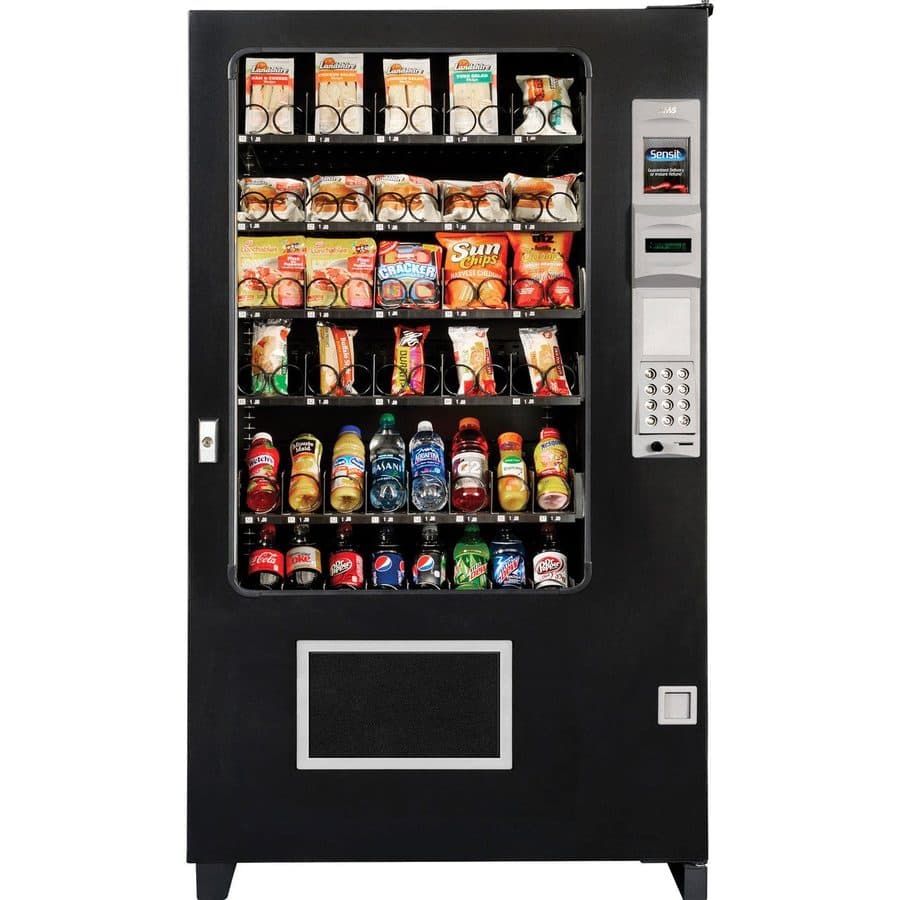
The 1920s and 1930s saw the first refrigerated vending machines, making cold beverages available without service staff for the first time. The post-World War II economic expansion was transformative: with millions of Americans working in offices and factories, break room amenities became meaningful employee relations tools. The 1950s introduced the first modern snack machines: multi-selection units with spiral coils that could vend a variety of packaged products from a single cabinet.
The 1960s–1980s: Electronics and Diversification
Electronic controls replaced purely mechanical systems through the 1960s and 1970s, enabling more sophisticated product selection and pricing flexibility. For the first time, operators could set different prices for different items in the same machine. The 1970s energy crisis accelerated compressor technology development that continues paying dividends today. By the 1980s, vending had diversified from food and beverages into books, newspapers, stamps, and film.
The 1990s–2000s: Card Readers and Connectivity
The introduction of credit and debit card readers in the 1990s was the first major disruption to the vending payment model in over a century. The early 2000s brought networked machines capable of transmitting sales data, inventory levels, and machine health alerts to a central system. Remote monitoring reduced unnecessary service visits by 30–40% for early adopters, dramatically improving route efficiency.
The 2010s: Touchscreens, Telemetry, and Mobile Payments
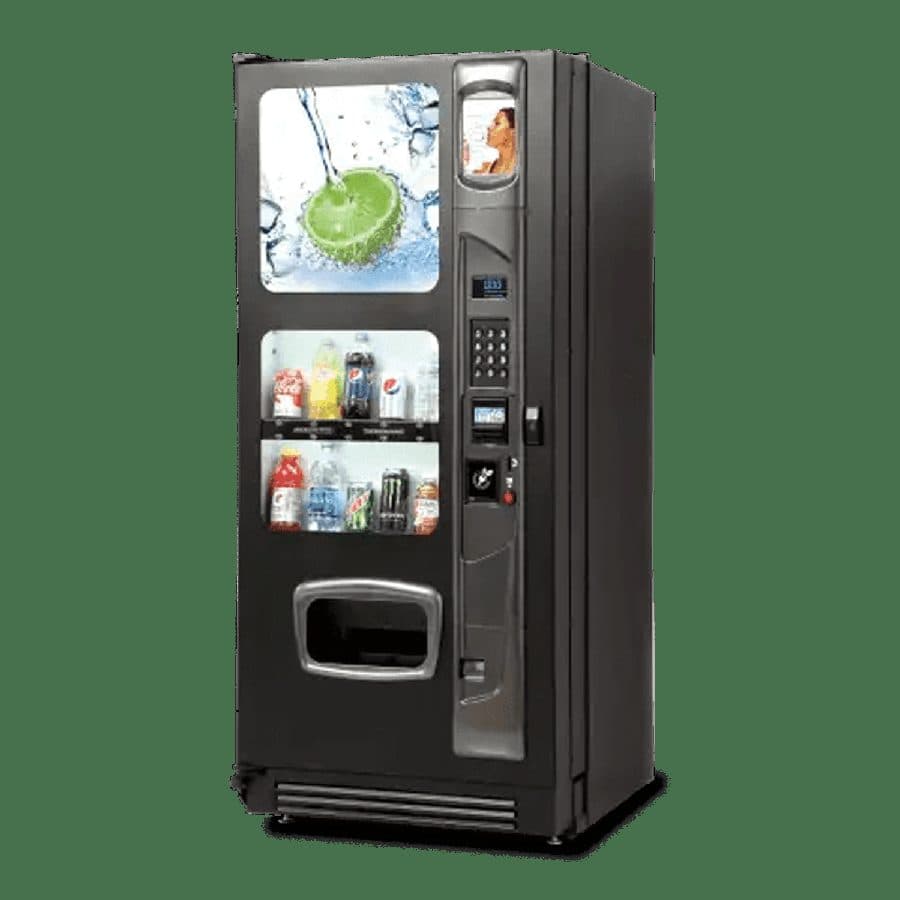
Consumer expectations accelerated sharply in the smartphone era. The industry responded with touchscreen displays, video advertising, and support for Apple Pay, Google Pay, and campus RFID cards. Telemetry platforms like Cantaloupe, Parlevel, and Nayax matured into full-featured vending management systems: dynamic pricing, loyalty programs, real-time inventory management, and route optimization. The data infrastructure that would eventually enable AI-powered vending was being built during this decade.
The 2020s: AI Computer Vision and the Smart Cooler Era
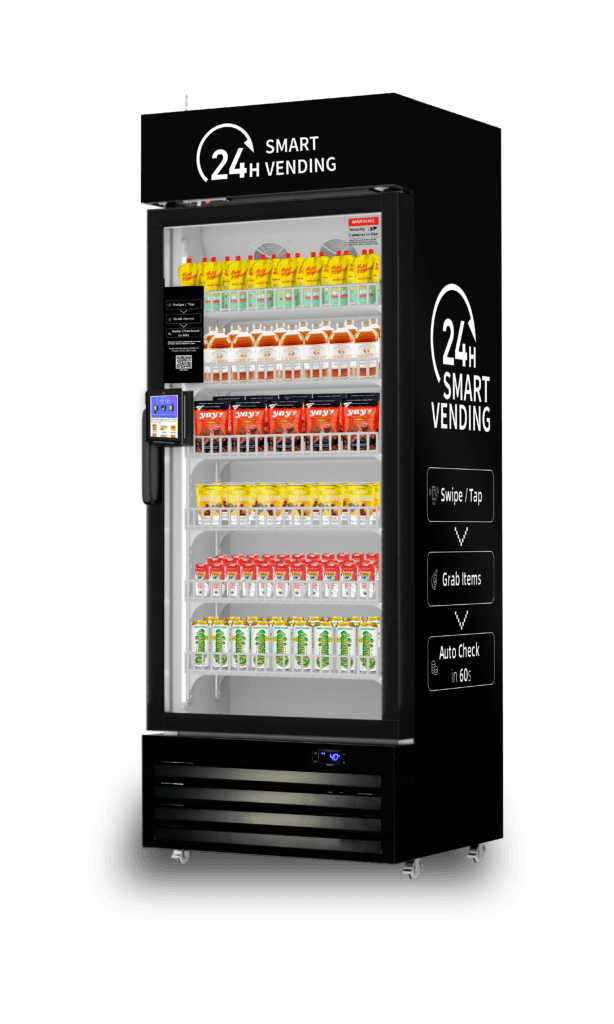
The current frontier is artificial intelligence, specifically computer vision systems that identify products without traditional mechanical vending mechanisms. AI smart coolers like the HAHA Pro, USI Spectra series, and CoolBlu units use cameras and machine learning to recognize when a customer removes a product, processing payment automatically when the door closes. No spiral coils, no dispensing mechanisms, no jams.
This architecture enables a fundamentally different product category: fresh, refrigerated, grab-and-go food that would be impractical in a traditional machine. Average transaction values in AI smart coolers run $4.50 to $6.00 compared to $1.50 to $2.50 in traditional machines, a revenue-per-interaction improvement that has fundamentally changed the economics of unattended retail.
What Comes Next
Industry analysts point to hyper-personalization, AI systems that learn individual preferences and make product recommendations, already in development at several manufacturers. Sustainability features including biodegradable packaging compatibility and carbon footprint tracking are being demanded by corporate customers with ESG commitments. And the line between vending machine and micro-market continues to blur, with AI-powered coolers increasingly resembling small, unstaffed convenience stores.
The lesson from this history is consistent: operators who adopted each wave of new technology early (card readers, telemetry, cashless payment, AI smart coolers) outpaced those who waited. The technology risk of early adoption has generally been lower than the competitive risk of waiting too long.
Key Takeaway
AI smart coolers represent the most significant technology shift in vending since the introduction of cashless payment, and arguably since refrigeration itself. Understanding this evolution helps operators see why investing in current-generation technology positions them well for the next decade, not just the next 12 months.