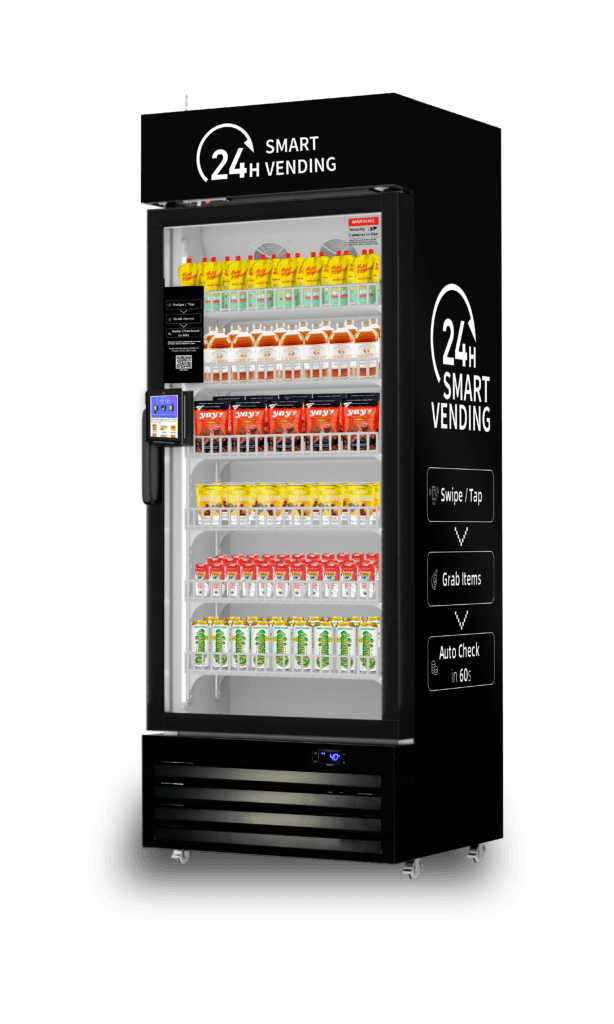
One of the most consequential decisions you'll make when starting or expanding a vending business is whether to invest in a brand-new machine or purchase a refurbished unit. Both paths have genuine merit, and the right answer depends on your capital situation, risk tolerance, growth timeline, and the specific locations you're targeting. This guide breaks down every major factor so you can make a fully informed decision before spending a dollar.
The vending industry has matured considerably over the past decade. Modern machines are packed with features (touchscreen displays, cashless payment systems, remote telemetry, energy-efficient compressors) that operators from just fifteen years ago couldn't have imagined. This technological leap makes the new-vs-refurbished question more nuanced than ever, because a refurbished machine from 2018 might still be light-years ahead of a new machine from 2005.
Upfront Cost: The Biggest Dividing Line
New vending machines typically run between $3,000 and $10,000 depending on type. Snack combos, full beverage units, frozen food machines, and specialty coolers all sit at different price points. Refurbished machines from reputable dealers usually land between $1,200 and $4,500. That gap is significant, especially for first-time operators financing their initial route without an established cash flow to draw from.
However, the upfront cost comparison doesn't tell the whole story. A new machine comes with a manufacturer's warranty (typically one to two years on parts, with extended plans available), while a refurbished unit may carry a 90-day dealer warranty, or none at all if purchased at auction. Factor in potential service calls at $150 to $300 per visit, and that initial cost gap can narrow faster than expected if the refurbished unit develops recurring mechanical issues.
"A refurbished machine from a quality dealer, fully reconditioned with new boards and coin mechs, can outperform a bottom-shelf new unit bought purely on price."
Comparison at a Glance
| Factor | New Machine | Refurbished Machine |
|---|---|---|
| Upfront Cost | $3,000–$10,000+ | $1,200–$4,500 |
| Warranty | 1–2 years manufacturer | 90 days–1 year dealer |
| Cashless Payment | Usually standard | Often retrofit-required |
| Remote Telemetry | Often included | May need add-on hardware |
| Energy Efficiency | Latest EnergyStar ratings | Varies by age/model |
| Reliability (Year 1) | High | Moderate–High (dealer dependent) |
| Financing Options | Full range available | More limited |
| Resale Value | Depreciates quickly | Already depreciated |
Reliability and Downtime Risk
Every hour your machine is down is revenue you'll never recover. A jammed coin mech, a failed compressor, or a broken door latch means a service call, a frustrated location manager, and customers who walk away empty-handed. New machines eliminate most reliability concerns in the early years. The components are fresh, the engineering is current, and you're fully covered if something goes wrong. This peace of mind has real financial value that doesn't show up on a spec sheet.
Refurbished machines from reputable dealers, not auction-house units, can be highly reliable if the reconditioning work was thorough. A quality refurb involves replacing the coin mechanism, dollar validator, control boards, door seals, refrigeration components, and cosmetic surfaces. Ask any dealer for a detailed reconditioning checklist. If they can't provide one, walk away. The horror stories about refurbished machines come almost exclusively from operators who cut corners on sourcing.
Modern Features: Cashless Payments and Telemetry
Consumer behavior has shifted dramatically. In the Northeast, it's common for 60 to 70% of vending transactions to be cashless: credit cards, Apple Pay, Google Pay, campus cards. A machine that only accepts coins and dollar bills is leaving real money on the table, and some locations (tech offices, universities, hospitals) will simply refuse to host a cash-only unit. New machines built in the last three years almost universally include cashless readers or a slot for one.
Remote telemetry is equally transformative for operations at scale. Systems like Parlevel, Nayax, or Cantaloupe let you see real-time inventory levels, sales data, and machine health alerts from your phone. You can plan routes intelligently instead of driving to every machine on a fixed schedule. New machines are increasingly built with telemetry hardware pre-installed. Refurbished units can often be retrofitted with aftermarket devices for $200 to $400 per machine, a worthwhile investment that pays back quickly in route efficiency.
Energy Efficiency and Operating Costs
Electricity costs are the often-overlooked ongoing expense in vending operations. Older refrigerated machines can consume 8 to 15 kWh per day. Modern energy-efficient units run closer to 3 to 5 kWh. At Northeast commercial electricity rates averaging $0.18 to $0.22 per kWh, that difference represents $150 to $300 per year per machine in utility savings. Across a 20-machine route, you're looking at $3,000 to $6,000 annually, a number that should factor into your ROI calculations. New machines will almost always win on energy efficiency, but many post-2015 refurbished models have been retrofitted with LED lighting and upgraded compressors that bring them close.
Key Takeaway
For budget-conscious first-time operators, a quality refurbished machine from a reputable dealer is an excellent entry point: lower capital outlay, faster break-even, and still capable of running cashless with a simple retrofit. For operators scaling quickly or targeting premium locations, new machines offer the reliability and features that justify the higher upfront cost. Vital Vending Sales carries both new and certified-refurbished inventory. Contact us to discuss what makes sense for your specific situation.
Who Should Buy New?
- Operators targeting high-visibility, premium locations (hospitals, corporate campuses, universities) that require modern aesthetics and cashless capability
- Buyers who want maximum warranty protection and minimal service headaches during their first year
- Operators using equipment financing, where the total cost of a new machine fits within a structured monthly payment
- Anyone scaling quickly and needs consistent, uniform equipment across a growing route
- Buyers who want the latest energy-efficiency ratings to control operating costs long-term
Who Should Buy Refurbished?
- First-time operators testing a location before committing significant capital
- Budget-conscious buyers who need to deploy multiple machines quickly with limited starting capital
- Operators comfortable retrofitting cashless readers and telemetry devices independently
- Buyers who find a specific make/model they know and trust from a dealer with a solid reconditioning track record
- Anyone targeting secondary locations (break rooms, small offices, laundromats) where premium aesthetics aren't a dealbreaker
The bottom line: the new-vs-refurbished debate is really a capital efficiency question. If you have the funds and want zero headaches, go new. If you're bootstrapping or want to test the waters, a quality refurbished machine is a smart, proven path that hundreds of successful operators have used to build their first route. Vital Vending Sales carries both new and refurbished inventory across all major categories. Reach out and we'll help you match the right machine to your budget and location.