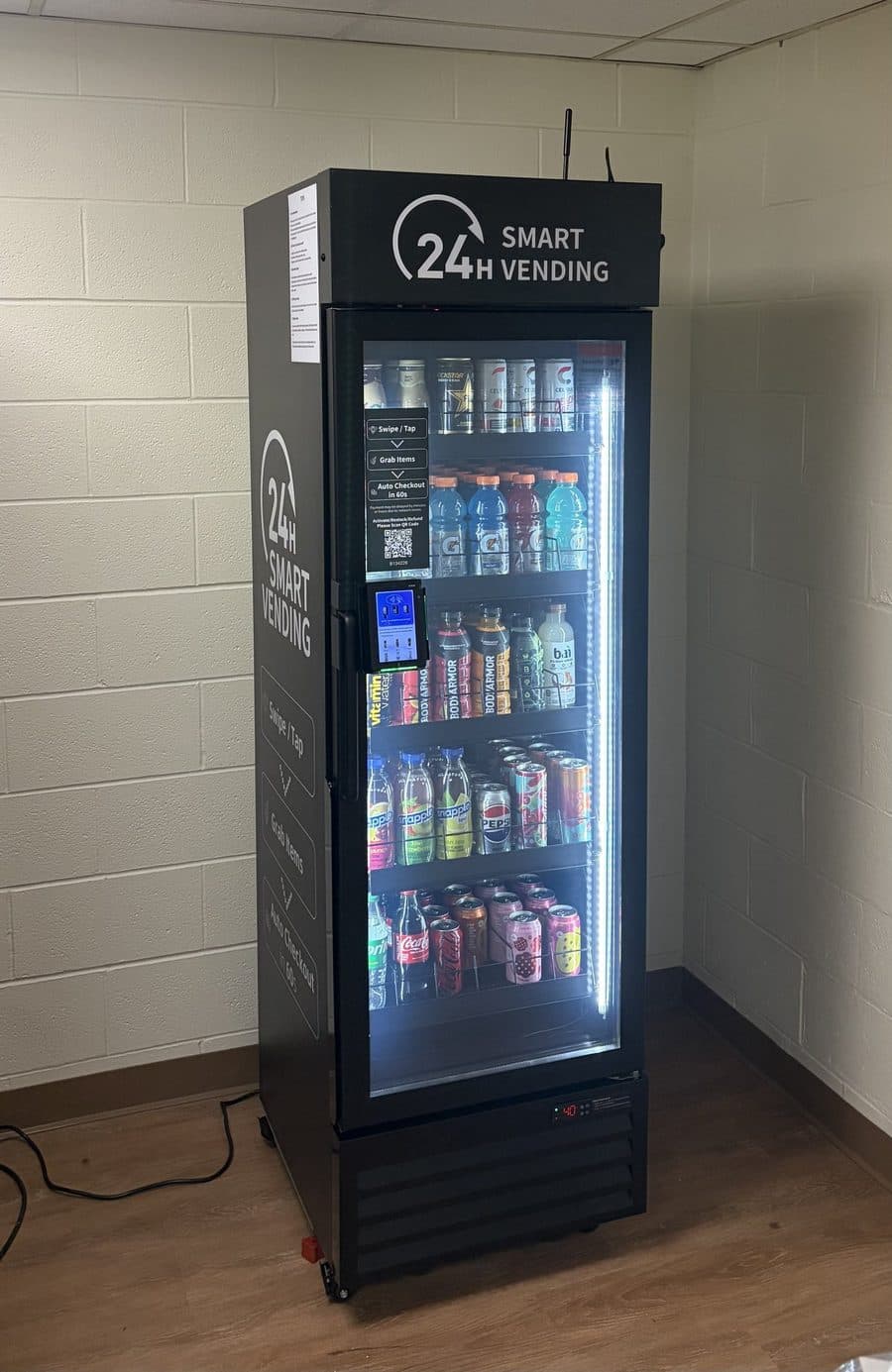
Capital is the fuel that drives vending business growth. Whether you're placing your first machine or expanding an established route, how you finance your equipment directly impacts your cash flow, tax situation, and ability to scale. The good news: there are more financing options available to vending operators today than ever before, and many of them require no collateral beyond the machines themselves.
Understanding the landscape of leasing, loans, and alternative financing isn't just useful. It's essential for making decisions that set your business up for long-term profitability rather than short-term convenience. This guide covers every major funding avenue, with honest pros and cons for each.
Leasing vs. Buying: The Core Tradeoff
When you lease a vending machine, you're paying for the right to use it over a fixed term (typically 24, 36, or 60 months) and returning or purchasing it at the end. Monthly lease payments are lower than loan payments on the same equipment because you're not paying off the full purchase price. This preserves working capital and keeps your debt-to-income ratio lower, which matters if you want to borrow again soon. Lease payments are also typically 100% tax-deductible as a business operating expense, unlike loan interest (where only the interest portion is deductible).
Buying, whether with cash or a loan, means you own the asset outright and build equity over time. Vending machines don't appreciate like real estate, but they do have meaningful resale value. A well-maintained machine purchased for $4,000 can still be sold for $1,500 to $2,500 years later. Ownership also gives you total flexibility: sell it, move it, modify it, or collateralize it for future loans. For operators committed to building a long-term route business, ownership is almost always the better financial outcome over a 5+ year horizon.
"The best financing structure is the one that gets you into a high-revenue location now, while preserving enough capital to service that machine and secure the next one."
Equipment Financing Loans
Equipment financing is the most common funding mechanism for vending operators. The machine itself serves as collateral, meaning lenders don't require additional business assets or personal property to secure the loan. This makes approvals faster and accessible to newer operators without an extensive borrowing history. Rates typically range from 6% to 18% depending on your credit score, time in business, and loan size. Terms run 24 to 72 months.
Major equipment lenders serving the vending industry include Crest Capital, Balboa Capital, TimePayment, and Currency Capital. Many credit unions offer competitive equipment financing as well. Applications are often completed entirely online, with funding in as little as 24–48 hours for straightforward requests. Most lenders will finance both new and refurbished equipment from a licensed dealer, though they may require a dealer invoice and equipment appraisal for older machines.
SBA 7(a) Loans
The Small Business Administration's flagship 7(a) loan program offers some of the most favorable terms available for small business equipment purchases: rates typically prime plus 2.25 to 2.75%, with terms up to 10 years on equipment. For a $25,000 equipment loan, that translates to monthly payments around $265 to $285 at current rates, significantly lower than most conventional equipment loans. The catch: the approval process is longer (typically 30 to 90 days) and requires more documentation, including a business plan, personal financial statements, and tax returns.
SBA loans are best suited for operators who have been in business at least two years, have solid credit (650+), and are making a significant equipment investment ($10,000+). For a first-time operator buying a single machine, the SBA process is likely overkill. But for an operator acquiring a 10-machine route or purchasing a significant micro-market setup, the interest savings over the loan term can be substantial, often $3,000 to $8,000 compared to conventional equipment financing.
Vendor Financing Programs
Many vending machine manufacturers and distributors offer in-house financing or have partnerships with preferred lenders who specialize in their equipment. These programs can offer competitive rates (sometimes below market if the manufacturer is using financing as a sales incentive) and streamlined approval, since the lender already understands the collateral value. The downside is that you're typically limited to purchasing the vendor's own equipment, which may not always be the best fit for your specific locations. At Vital Vending Sales, we work with buyers to identify financing partners aligned with their equipment choices.
Revenue-Based Financing
Revenue-based financing (RBF) is an emerging option gaining traction in the vending space. Instead of fixed monthly payments, you repay a percentage of your machine's gross revenue each month until the total financing amount plus a flat fee is repaid. During slow months (holidays, summer vacation periods), payments are lower; during peak months, you pay more. This structure is particularly appealing for operators with seasonal location patterns or new routes where revenue ramp-up is gradual. Companies like Clearco and Lighter Capital offer RBF products, though terms vary widely. Always calculate the effective APR before committing.
Key Takeaway
Most first-time vending operators are best served by equipment financing loans: fast approval, competitive rates, and no collateral beyond the machine itself. As your route grows, SBA loans become cost-effective for larger equipment investments. Leasing makes sense when cash flow preservation is the top priority. Vital Vending Sales can connect you with financing partners who specialize in vending equipment. Contact us to get started.
Typical ROI Timelines
Understanding when a vending machine pays back its cost helps you evaluate financing options intelligently. A snack/beverage combo machine placed in an office of 75 employees might generate $400–$700 per month in gross revenue, with product costs around 40–50% and location commission of 15–20%. Net profit after product and commission: roughly $140–$245 per month. A $3,500 refurbished machine at that rate breaks even in 14–25 months. A $6,000 new machine might take 24–43 months. These timelines improve significantly with high-traffic locations or premium product mixes.
Tips for Getting Approved
- Establish a separate business bank account and EIN before applying: lenders want to see a legitimate business entity, not personal finances
- Keep your personal credit above 640; equipment lenders treat the owner's credit as a primary risk indicator for small businesses
- Have 3–6 months of business bank statements ready, showing consistent deposits and manageable expenses
- Be prepared to explain your location strategy: lenders want to know the machine isn't going into a storage unit
- Start with smaller loan amounts to build a lending relationship, then grow borrowing capacity as you demonstrate repayment history
- Get a formal equipment quote or invoice before applying: it strengthens your application and speeds approval
Financing your vending equipment intelligently is as important as choosing the right machine or location. The operators who scale successfully are almost always those who preserve working capital in the early stages, build credit relationships deliberately, and use leverage strategically as their cash flow grows. Vital Vending Sales works closely with new and expanding operators to match equipment choices with realistic financing options. Reach out any time to discuss your situation.